High-End Dining in High-Traffic Hubs

Train stations and airports share a single operational constraint: feeding travelers on the move within tight, standardized, highly functional spaces.
Unsurprisingly, these hubs aren’t typically known for fine dining. People grab a quick bite on the fly, prioritizing speed and value over atmosphere. Yet against all odds, a handful of iconic venues have managed to turn busy transit halls into destination dining spots in their own right.
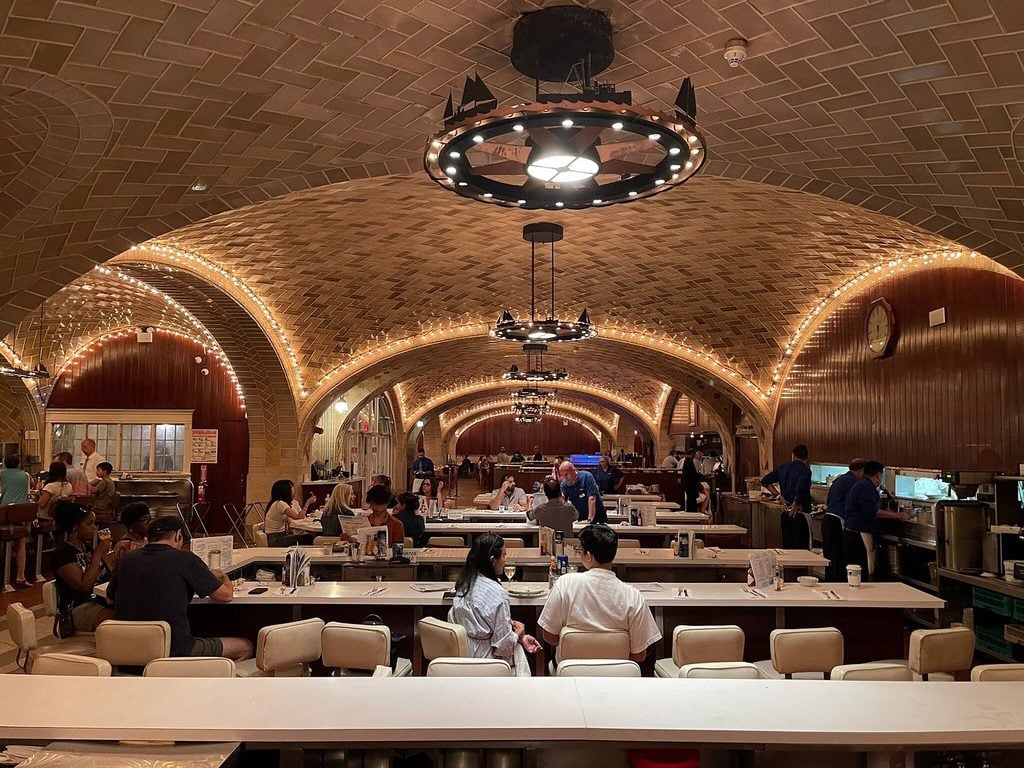
Grand Central Oyster Bar (New York)
Tucked into the lower level of Manhattan’s iconic Grand Central Terminal, this massive venue spans over 4,000 square feet and feeds up to 2,000 guests a day. Operating since 1913, it serves over 5,000 oysters daily alongside a vast selection of fresh seafood.
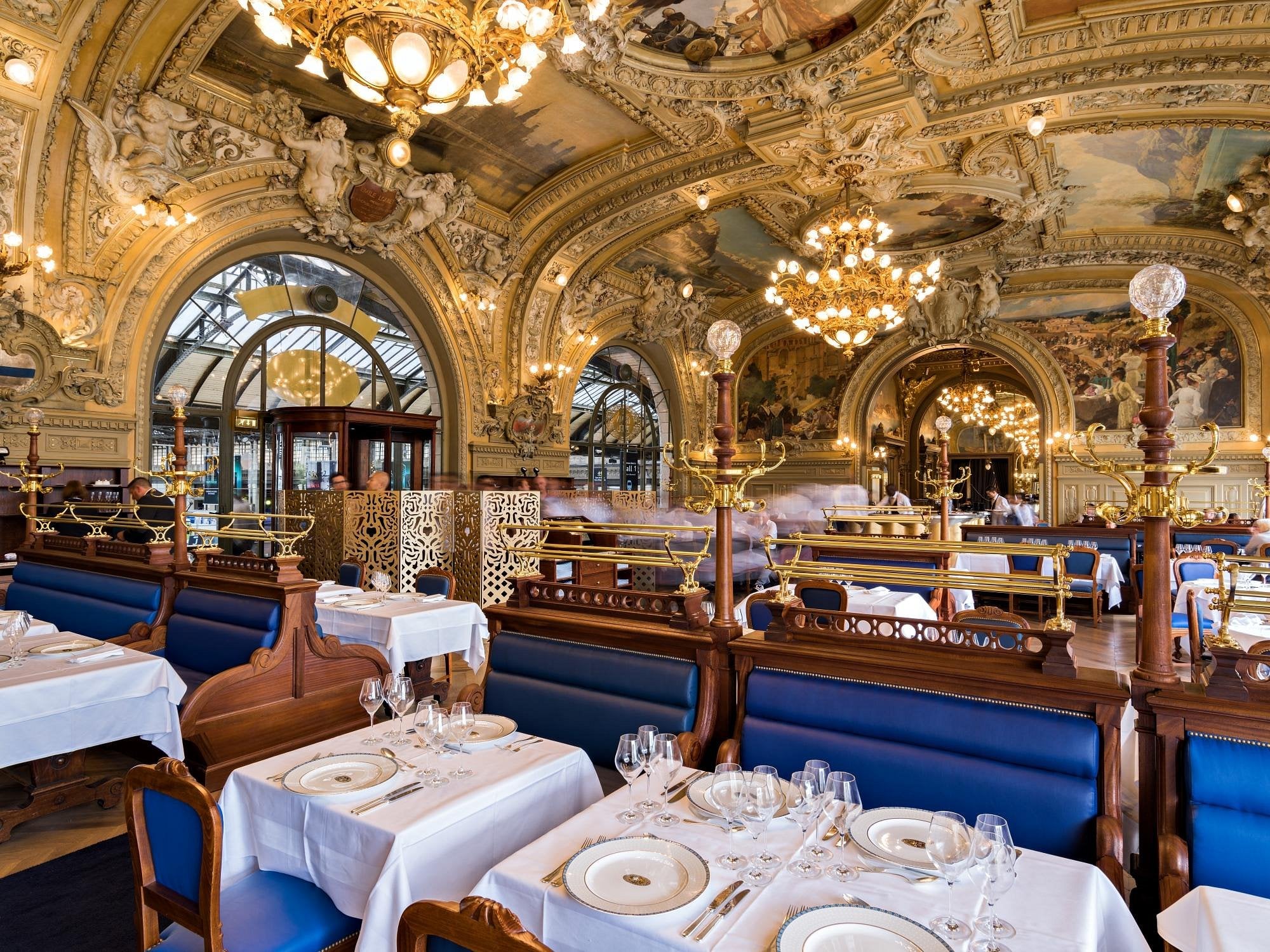
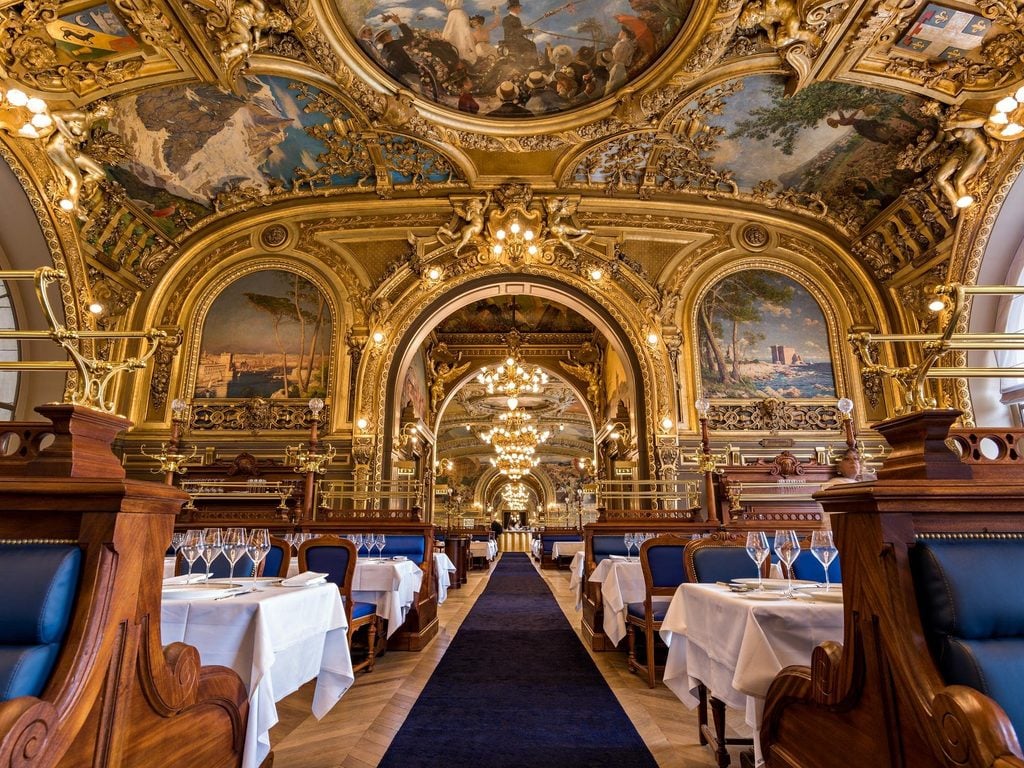
Le Train Bleu (Paris)
Sitting right in the heart of Paris’s Gare de Lyon, this legendary restaurant first opened in 1901. Designed by architect Marius Toudoire for the 1900 World’s Fair, the dining room is a designated historic monument, famous for its grand period ceiling frescoes and ornate details.
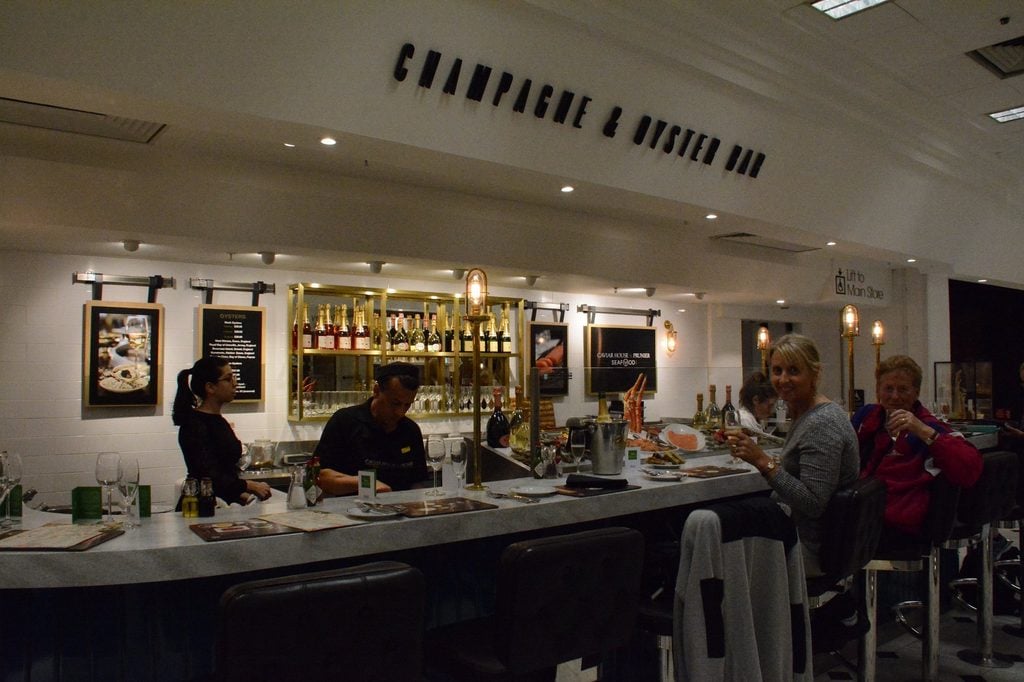
Caviar House & Prunier (Global Airports)
Born from a merger between merchant house Caviar House and producer Maison Prunier, this brand specializes in high-end dining past airport security control.
Their luxury bars—located in hubs like London, Geneva, Zurich, and Paris-CDG—focus on high-ticket items like caviar, smoked salmon, and champagne, all served within a strict 20-minute window. Most items require zero cooking, respecting both tight connection times and airport safety restrictions on open fires or kitchen equipment. They even pack products in airside-compliant containers so travelers can take luxury dining straight onto their flight.