How the Creators of South Park Spent $40M to Save a Restaurant

Dubbed the temple of Mexican dining—or simply “Mexican Disneyland”—this isn’t your average restaurant. It’s a pop-culture icon saved from extinction by a $40 million rescue plan funded by the creators of South Park.
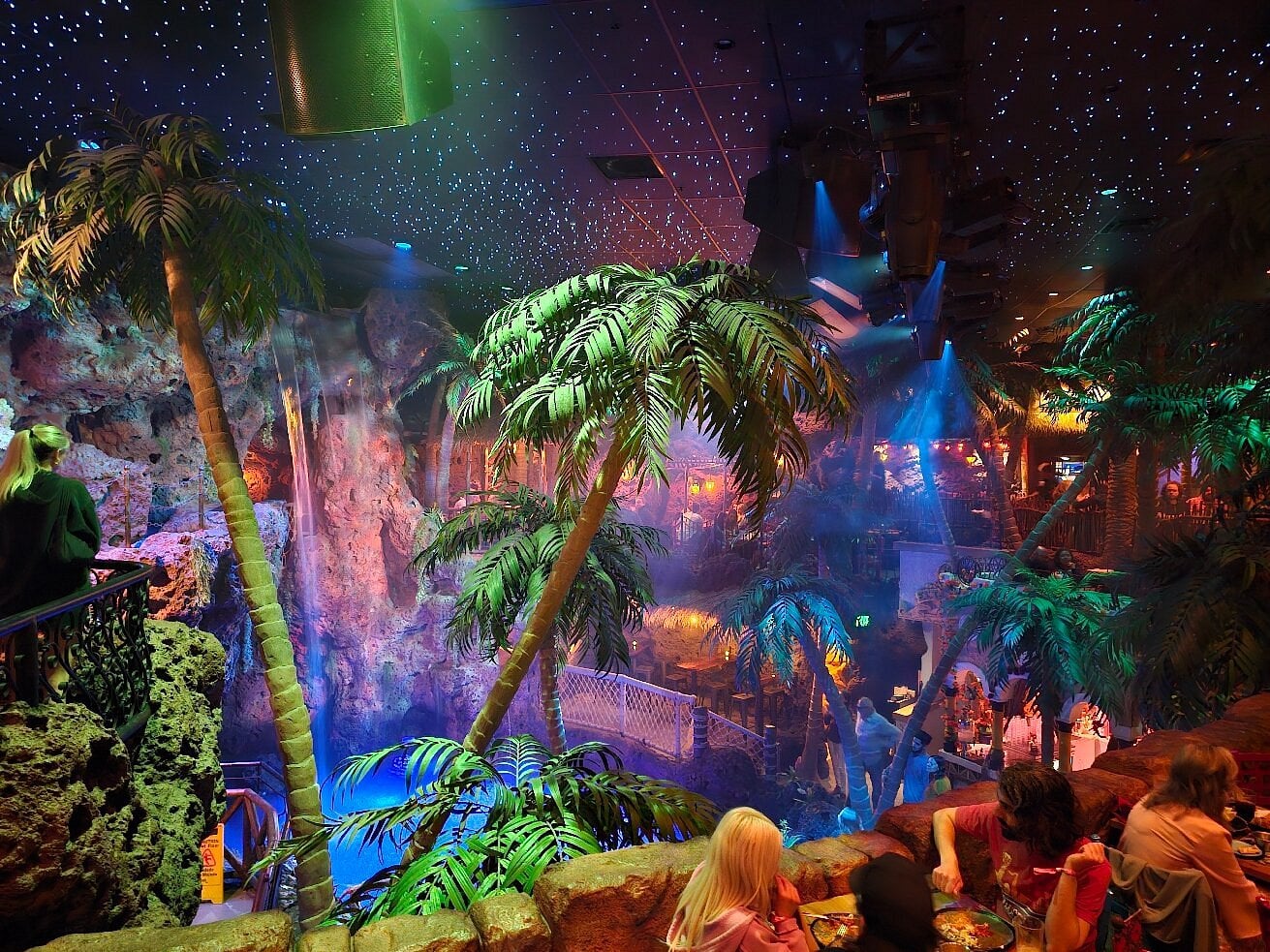
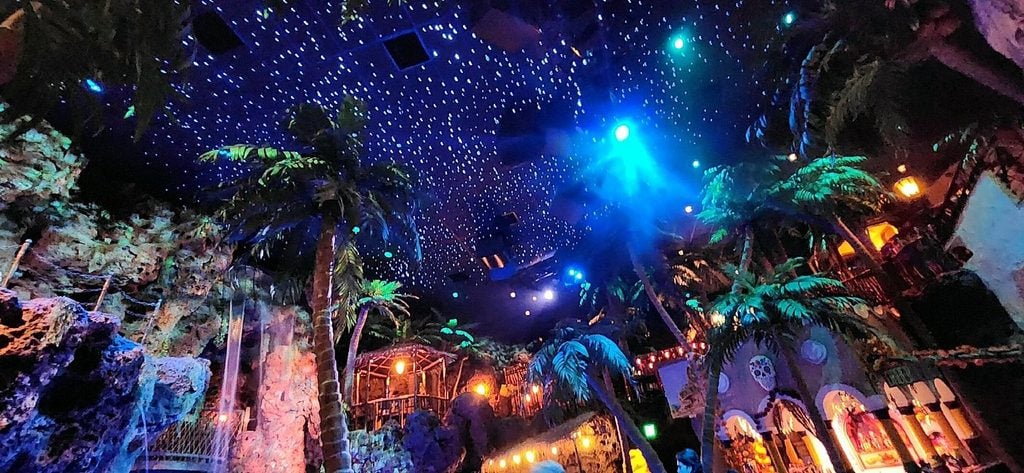
Casa Bonita’s history alone reads like a movie script. Originally opened in the 1970s by founder Bill Waugh, the site was way ahead of its time: a massive, 50,000-square-foot indoor theme park featuring artificial jungles and a indoor waterfall over 30 feet tall.
It quickly became a Colorado landmark, drawing over 500,000 visitors a year as one of the busiest attractions in the American West.
Its fame peaked in 2003 when South Park dedicated an entire Season 7 episode to it, portraying Eric Cartman’s unhinged obsession with visiting the venue. That single episode cemented Casa Bonita in global pop culture.
The Downfall: Bad Food and Bankruptcy
Despite its fame, mismanagement slowly destroyed the brand. The food became notoriously bad, negative reviews piled up, and the business hemorrhaged money. The 2020 pandemic was the final blow: the restaurant filed for bankruptcy, threatening to wipe out decades of childhood memories for millions of locals.
Refusing to let a staple of their youth disappear, South Park creators Trey Parker and Matt Stone bought the property in 2021 for $3.1 million.
What started as a nostalgic passion project quickly turned into a financial pit. The 50-year-old building was crumbling and far out of code. Original renovation estimates of $7 million skyrocketed.
Determined to preserve every detail of the original decor while rebuilding the infrastructure from scratch, the duo ended up pouring over $40 million into the project. As Matt Stone famously put it: “We bought a money pit… we spent an infinite amount of money.”
Winning Back the Diners
Fixing the building was only half the battle; they had to fix the food. To turn the kitchen around, they hired acclaimed chef Dana Rodriguez, who built a culinary team of over 100 staff with a clear mandate: keep the fun, but make the food fresh, authentic, and homemade.
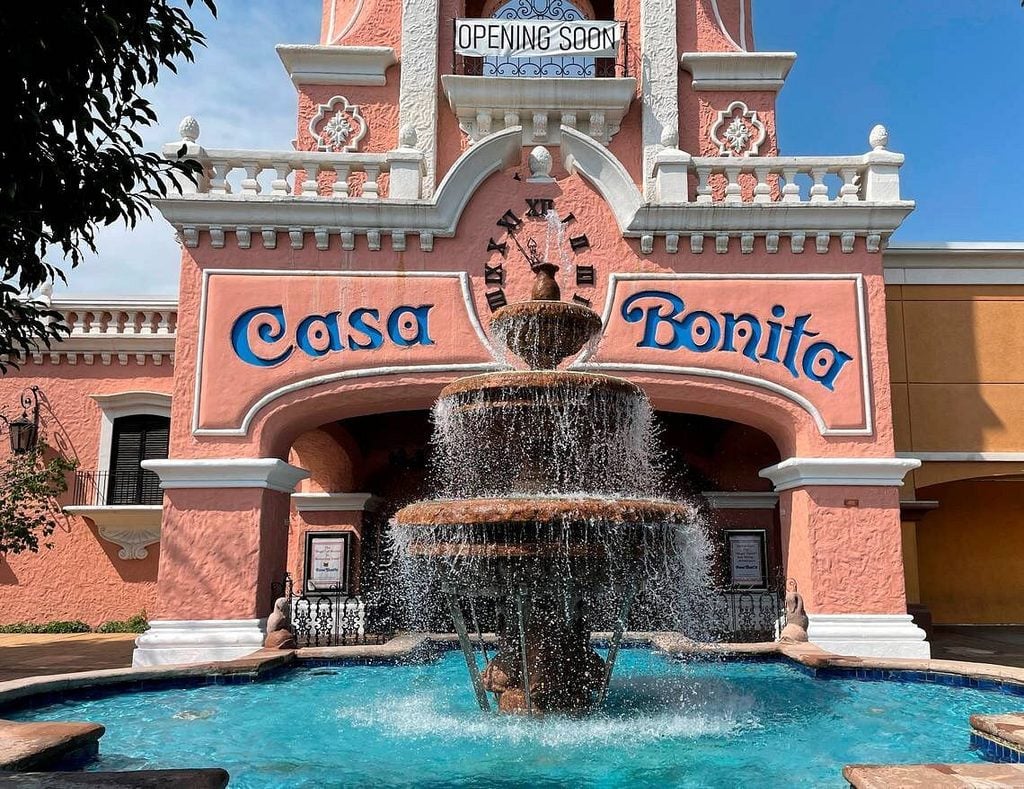
The gamble paid off. Upon reopening, the waitlist exploded to over 500,000 sign-ups.
Today, the venue is thriving again, blending childhood nostalgia with the signature eccentricity of its owners—saving a piece of American pop culture in the process.