What to Do With Cooking Water (And What to Pour Away)

Most of what you boil food in goes down the drain about four seconds after the timer goes off. Some of it deserves better. Not all of it, though, and the internet is full of people who’ll tell you every drop is liquid gold. Here’s what actually earns a second life and what you can pour away without guilt.
Pasta water
The one everybody’s heard of, and the one most people get wrong.
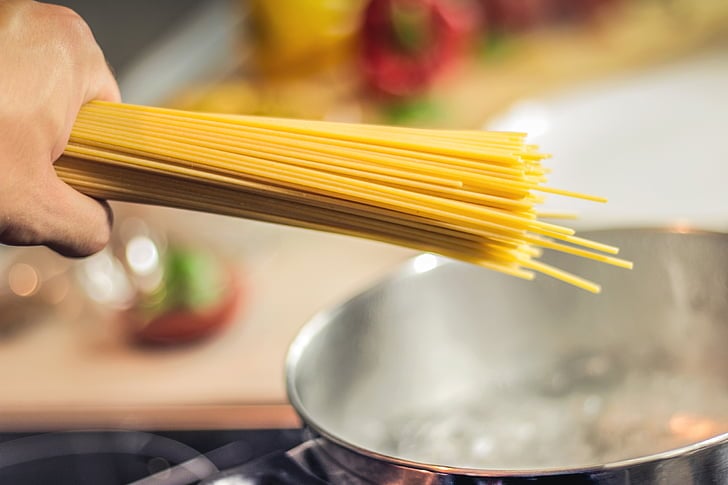
Pasta sheds starch as it cooks, and that starch is an emulsifier. It holds fat and water together in a sauce that would otherwise split into an oil slick sitting on top of tomato. A ladle into the pan at the end, then hard tossing for 30 to 60 seconds, and a thin sauce turns glossy and starts to cling.
Now the catch nobody mentions. At al dente, in a big pot boiled the way most cookbooks tell you to, the water is only about 1 to 2 percent starch. That’s weak. If you want it doing real work, use less water than feels right, and never rinse the pasta afterwards.
How much this matters got measured properly in 2025, when a group of physicists published a paper on why cacio e pepe breaks. Their finding: below 1 percent starch relative to the weight of the cheese, the sauce collapses into what they named the Mozzarella Phase. Stringy lumps floating in grey water. Above that line you’re fine. So the trick isn’t kitchen superstition, it’s a threshold, and eyeballing one ladle out of a diluted pot is exactly how you end up on the wrong side of it.
Two more things worth knowing. The water is salted, so taste the sauce before you season it again. And it’s good for cooking risotto or boiling vegetables, where the starch does no harm and the seasoning is already handled.
Vegetable water
Whatever leached out of the vegetables is sitting in there. Vitamin C and the B group are water-soluble, which is precisely why they left. Tipping that away is the one genuinely wasteful move on this list.
Use it as stock. It won’t stand in for a proper one, but as a soup base or the liquid in a stew it beats tap water and costs nothing. For mash, swap it in for some of the milk and the potato picks up the vegetable flavour.
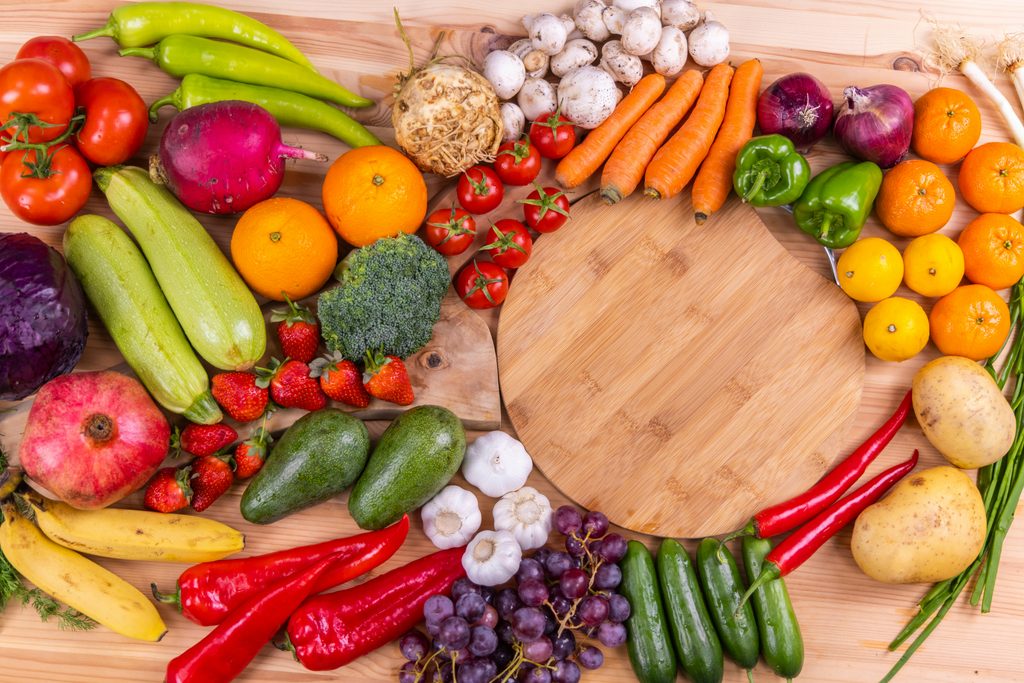
It goes on houseplants too, cooled, provided you didn’t salt it. The water picks up nitrogen, phosphorus, calcium and magnesium on the way through, so it’s a weak feed rather than an inert one. Weak being the operative word. Nobody’s cancelling their fertiliser over this.
Potato water
This one has a genuinely good trick in it, and it isn’t the cleaning tip.
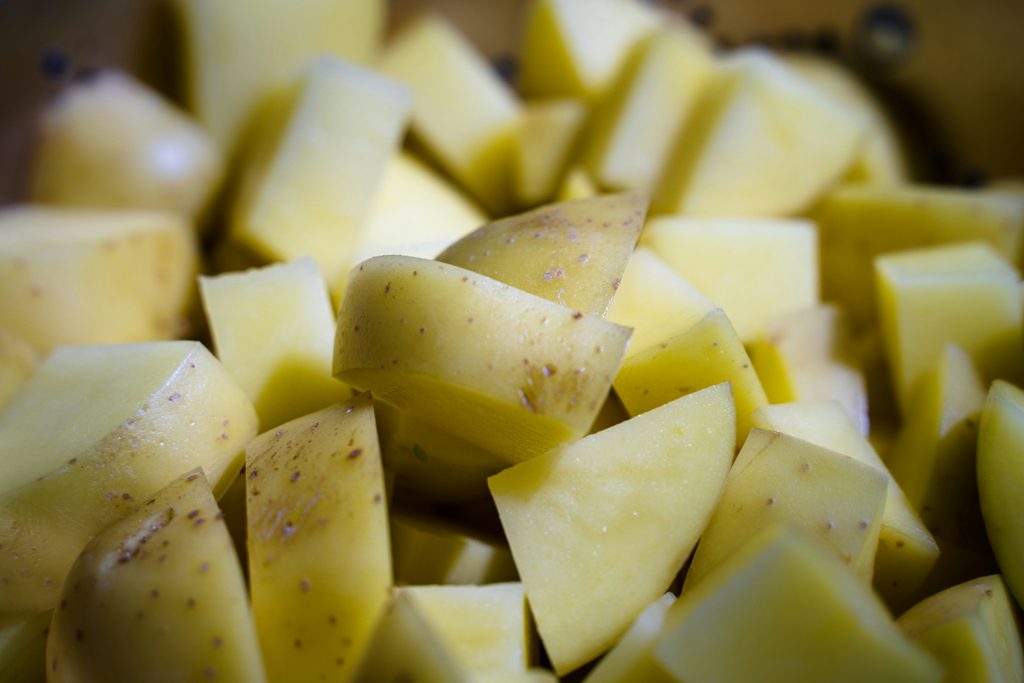
Put it in bread. Swap it for the water in a white loaf or a tray of rolls, and the extra starch does two jobs at once: it feeds the yeast, and it locks moisture into the crumb, so the loaf comes out softer and stays fresh a day longer. Commercial bakers have used potato flour for that exact reason for a century. What’s in your pan is a free, diluted version of the same thing.
The silver-polishing tip works, with an asterisk. Soak the cutlery for around 20 minutes and the starch plus the mild acidity will loosen light tarnish, then you buff it off with a soft cloth. On the hard black film that’s been sitting in a drawer since 1998, it’ll do nothing whatsoever. Don’t plan your evening around it.
The claim that it’s a great degreaser deserves more suspicion than it gets. Starchy water helps lift things welded to the bottom of a pan. Grease is a different chemistry problem, and detergent already exists.
Before you keep any of it
Salt kills the plant idea outright. If you seasoned the water, it goes into a soup or down the sink, nowhere near soil.
Strain it. Onion skin and broken pasta will make a decent stock cloudy and faintly bitter.
And treat it as stock, because that’s what it is. Cooked liquid sitting at room temperature is a growth medium, so it wants to be in the fridge within two hours and used inside three or four days. Freeze it in an ice cube tray if you know you won’t get to it.
The one that never makes these lists
Drain a tin of chickpeas and keep the liquid. That’s aquafaba, it whips to stiff peaks like egg white and holds them, and it’ll make meringue or mayonnaise with no egg in sight. Of every liquid mentioned here, it’s the only one that does something you couldn’t otherwise do at all.