The Art of Fake Food: Inside the World of Food Stylists

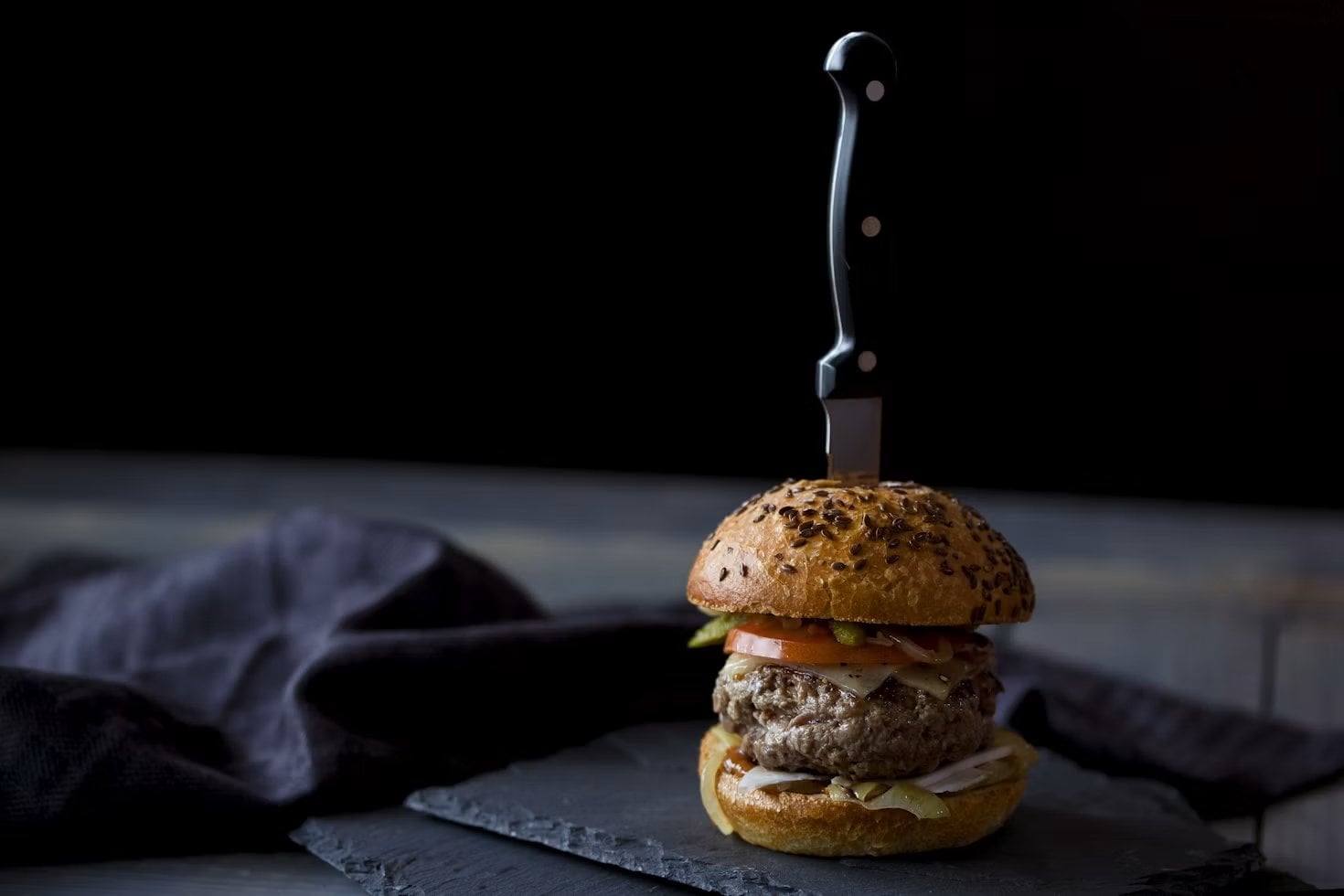
A thick, juicy burger, a soda can dripping with ice-cold condensation, a swirl of soft-serve that looks almost too perfect. For decades, food stylists have been working behind the scenes, using absurd levels of ingenuity to shape the visuals we see every single day.
We often assume high-end chefs are behind these shots. In reality, food stylists act more like chemists, sculptors, and prop engineers—doing whatever it takes to make your mouth water.
Obsessive Precision
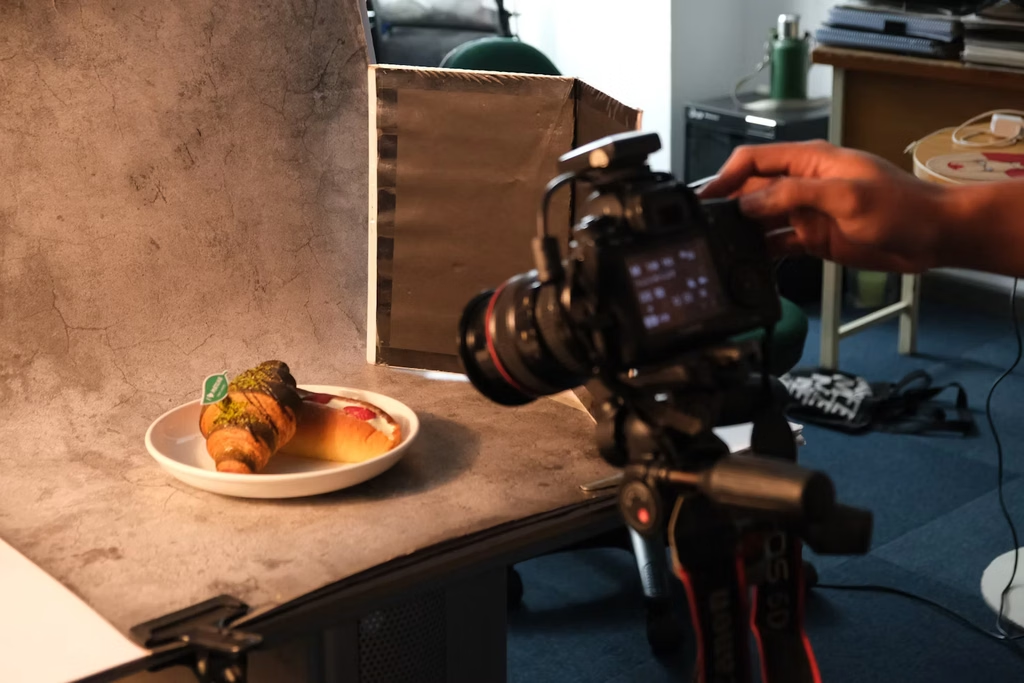
Perfection is never an accident in food styling; it’s the result of relentless trial and error. Take a standard fast-food burger shot:
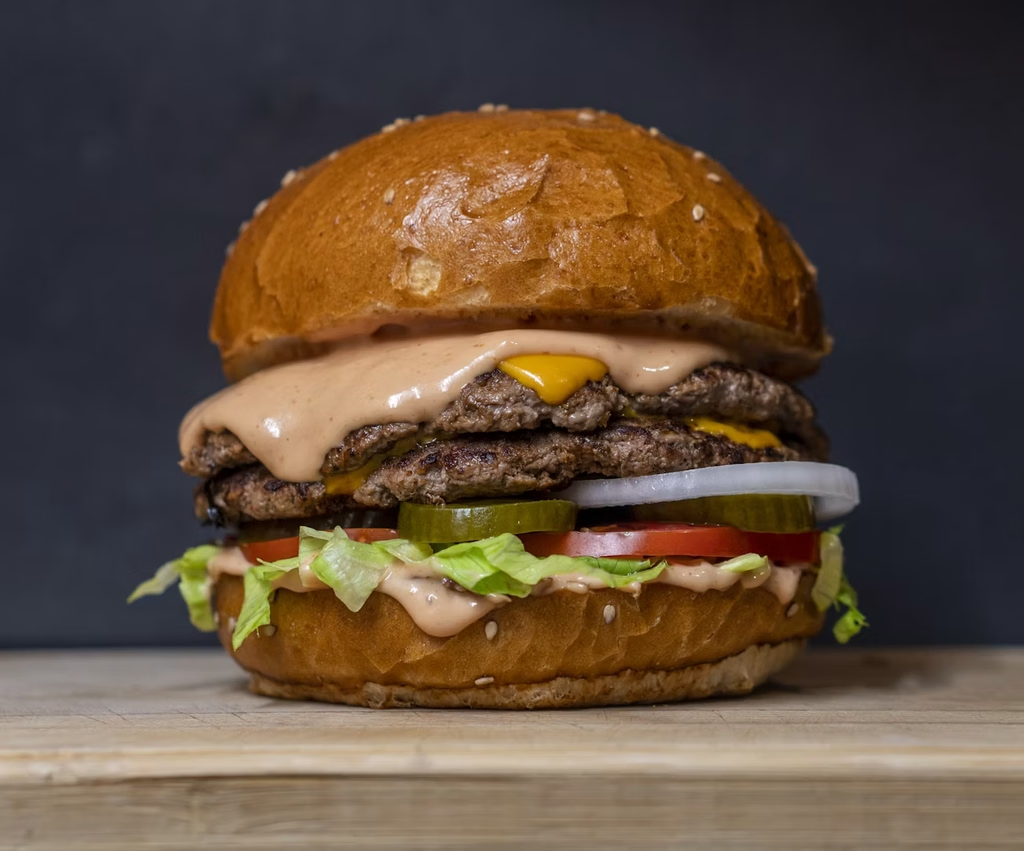
- Finding the perfect bun: Ingredients are bought in bulk just to find the single piece without a blemish. Stylists might sort through 15 to 20 packages just to spot one ideal bun.
- Custom builds: If the right ingredient doesn’t exist, it’s built from scratch. Cooks will go as far as placing individual sesame seeds onto a bun using tweezers.
- Crisp greens: Lettuce leaves are hand-picked and submerged in ice water so they stay firm and hold their shape on set.
- Surgical sauce placement: Sauces are often mixed with paint for the right texture and injected with a syringe for exact placement.
- Precision searing: Patties are barely cooked—just seared on the outside with a blowtorch to retain their volume and control every mark.
- Structural support: Toothpicks and hidden pins hold the layers together to keep the burger from collapsing under its own weight.
The Illusionist’s Toolkit
Shoots can last hours under the punishing heat of studio lights. To keep food looking fresh, stylists rely on tricks that have zero connection to actual cooking. A few of the most surprising hacks:
- Cereal milk: Real milk makes cereal soggy in seconds. Stylists use white PVA glue or thick cosmetic cream instead.
- Indestructible ice cream: Real ice cream melts instantly. The “ice cream” on camera is usually a paste of mashed potatoes, powdered sugar, and vegetable shortening.
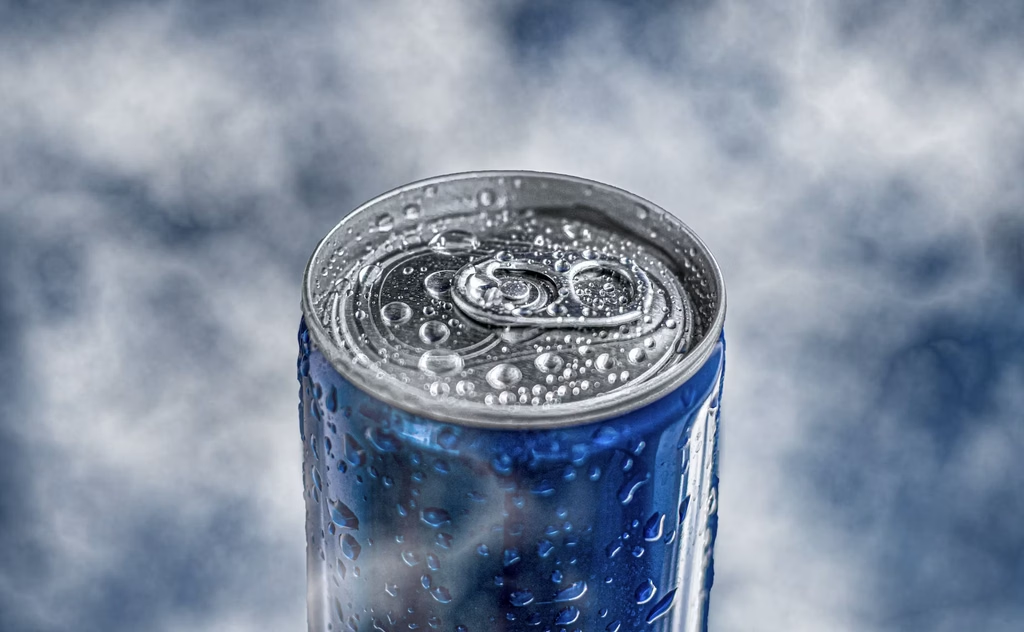
- Permanent condensation: Drops on a soda can are applied with a syringe using a 50/50 mix of water and glycerin so they won’t evaporate.
- Steaming dishes: That fresh-out-of-the-oven steam is often just a microwaved wet cotton ball or a hidden incense stick tucked behind the plate.
- Glistening meat: Motor oil brushed onto a patty gives it that fresh, glossy sheen just before the camera rolls.
As you might have guessed, most of the food featured in commercials is completely inedible. These optical illusions weren’t invented to trick people for fun—they’re practical solutions to brutal technical constraints on set.